



Cabbage white
White cabbage is a well-known vegetable containing many useful and valuable substances. That is why it has become an extremely common product in cooking, both raw and cooked. It is used in the diet of residents of many countries, as a side dish, an ingredient in main and hot dishes. It is also especially suitable for preparations and marinating, the latter has become a kind of "symbol" of Russian, Asian countries, and Europe.
Сalories
27 calProteins
1.80 grFats
0.10 grCarbohydrates
4.70 grNutritional value per 100 g. Calories calculated for raw foods.
Glycemic index
15Common allergen
noMake sure that you do not have an individual intolerance to this product.

History of the appearance of cabbage white
Like everything simple at first glance in our life, white cabbage has a very ancient history of origin. Cabbage came to our tables from the Mediterranean regions, namely even before our era from ancient Iberia, where it was called “Ashi”. Subsequently, from there it migrated to Ancient Rome, Greece and Egypt. In the new era, cabbage came to Russia from the peoples of Transcaucasia and the Balkans. In one of the reference books of Kievan Rus, published in 1076, a whole section on growing and storing cabbage was already published. Where cabbage subsequently found a new “Homeland”, from where it came to the countries of Asia and Europe. And Russian gardeners are now considered recognized “experts” in the field of cultivating and cooking cabbage.
Benefits and harms of cabbage white
Cabbage is a universal ingredient for replenishing many useful substances necessary for the functioning of our body, from potassium salts to fiber and vitamins. It is especially excellent for the purpose of obtaining ascorbic acid by the body. No more than 150 grams of the product per day is enough to maintain the daily dose.
Now let’s figure out what exactly cabbage does to our body:

✅ First of all, with proper heat treatment of cabbage, our body receives the necessary dose of ascorbic acid, which then turns into vitamin C;
✅ Folic acid in the leaves improves our metabolism and normalizes blood circulation;
✅ Potassium salts prevent the retention of excess water in the body;
✅ If you do not heat treat cabbage, it contains tartaric acid, which slows down the process of converting carbohydrates into fats. That is why, as they say, “you need to lose weight on cabbage.” After all, it is rich in choline, which regulates fat metabolism in our body, and fiber will help our intestines;
✅ In terms of glucose and fructose content, it is much ahead of its more popular analogues. It has more glucose than oranges and apples, and more fructose than carrots or lemons;
✅ An excellent feature of cabbage is the content of vitamins U and K. U or methylmethionine is the main remedy for most gastrointestinal diseases, including ulcers and colitis. And vitamin K (phylloquinone) accelerates metabolism, blood circulation, wound healing, forms the growth of bones and teeth, and also helps our liver work;
✅ And we must not forget that sauerkraut contains a large number of lactic acid bacteria, which are natural probiotics. No intestines and stomach of a modern person can do without them.
As you already understood, white cabbage is simply a “bank of vitamins” or a head of cabbage, as you prefer to call it. But do not forget that all good things should be in the right amount and properly prepared. Earlier we talked about 150 grams of product per day and no more.

❌ Despite all this “useful treasure trove”, cabbage contains a lot of fiber and organic acids, and this is contraindicated if you have:
- been diagnosed with diabetes of any degree;
- problems with heartburn;
- had a myocardial infarction;
- liver disease;
- problems with the thyroid gland;
- irritable bowel syndrome;
- or chronic pancreatitis.
What does cabbage white taste like?
Cabbage has a distinctive taste, but it has that same “green freshness” that other types of greens from this family have. The taste of fresh cabbage can be described as rich and earthy, and raw leaves are tough and crunchy. But at the same time, it has a very strong independent taste, so it is an excellent substitute for all types of greens in your favorite salads and dishes. Also, unlike other greens, cabbage leaves do not have the spiciness that is found, for example, in arugula.
How to eat cabbage white
White cabbage is a truly versatile culinary product, but we will consider the most popular ways of preparing it:
? Raw. The more mature the head of cabbage, the tougher its leaves become, and the leaves of young cabbage are softer and thinner. Therefore, many cooks and housewives like to add it to various salads.
? You can make cabbage cutlets, or add minced meat to the dish and get cabbage rolls. Or maybe you want to add it to your favorite dumplings.
? For lovers of haute cuisine, cabbage is useful for making lasagna, pasta or risotto.
? Pickled cabbage. Most often used as an ingredient in salads or as a standalone snack with the addition of various vegetables or fruits. To do this, finely chopped leaves are mixed with oil, vinegar and sugar, as you like. Afterwards, it is kneaded, which makes it softer and makes the leaves give up all the juice. By the way, cabbage is prepared differently in different parts of the world, they “knead” it in different ways. For example, in Russia – with hands, and in Poland they trample it with their feet, like Celentano in “The Taming of the Shrew”.
? As a preparation. Sauerkraut with carrots, beets, apples, cranberries, horseradish or other additives is preserved and becomes an independent cold snack. Or, for example, it will become an excellent ingredient for borscht or vinaigrette.
? Let’s not forget about classic stewed cabbage, which will be a great side dish for meat, fish or any other main course.
? And if you like soups like borscht, shchi or solyanka, then it will be impossible to cook them without a base, that is, without cabbage.
? How can you forget about everyone’s favorite pastries. Cabbage pies have become an integral part of the grocery map, any culinary, bakery and mass market.
? Baked kale chips. Yes, you can also make tasty and healthy chips from cabbage by adding your favorite ingredients, as the taste of cabbage mixes well and absorbs any seasonings.
? And a small bonus – cabbage smoothie. Many professional nutritionists could not pass by this “natural storehouse” of nutrients and vitamins and increasingly recommend healthy vegetable cocktails based on cabbage. If you do not like the taste of cabbage in such healthy cocktails, then you can add any healthy topping with a strong taste: apple, orange, ginger or lime.
How and how long to store cabbage white

It doesn’t matter where you bought the cabbage, bought it in a store or picked it from your own garden, it is important to know how to properly store this product. Here are a few simple rules on how to properly store it at home:
- be sure to remove anything from the cabbage that is not intended by nature: labels, stickers, ribbons or ties;
- wrap the cabbage in a cloth or paper towel to absorb excess moisture;
- put the cabbage in the vegetable compartment and do not forget to cook it within 3 days of purchase, otherwise you risk getting an increase in the natural bitter taste;
- important point! Wrap the cabbage in a plastic grocery bag. All other vegetables and fruits, being near the cabbage, spoil much faster, as does the cabbage itself. Therefore, do not store it open in the vegetable tray.
Curious facts
- In Ancient Greece, cabbage was considered a symbol of sobriety, as it initially did not grow well next to grapes. Only later did we learn that vitamin C and healthy ingredients are great for getting rid of excessive intoxication and its consequences. That is where the folk remedy for a hangover in the form of brine came from.
- In ancient China, men used cabbage leaves to combat baldness, applying them to the “problem” area of the head.
- Cabbage juice is a natural cosmetic product. It is valued for its rejuvenating effect, it is used to make cosmetic face masks and simply for rinsing, like thermal water.
- In the Middle Ages, during a long voyage, up to 50% of the crew could die of scurvy by the end of the journey. Therefore, sauerkraut was one of the main sources of vitamin C for sailors.
- In the American state of New Jersey, there is a strange law that prohibits the purchase of cabbage on Saturday and Sunday.
- And the most important fact, remember friends, sauerkraut is much healthier than fresh. It can be stored for a whole year, and it has more vitamins, since it is in this dish that the full potential of this product is revealed.
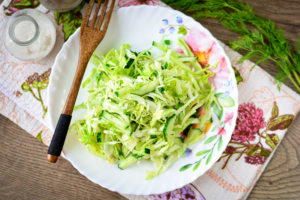
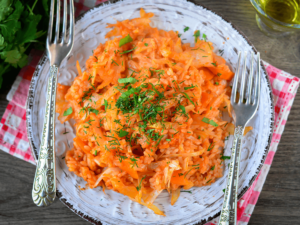
If you would like to know what can be cooked from cabbage white, below we have selected recipes for you with cabbage white.











Welcome to the culinary site en.ipepper.org!
On our project you will find a huge number of various
step by step recipes with high quality photos.
